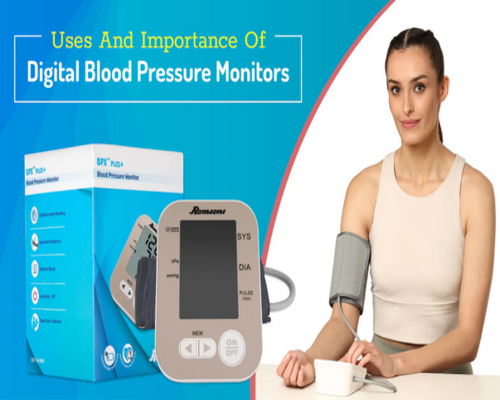
Alright, so you’re at your regular checkup, trying not to make awkward small talk while the nurse straps that Velcro cuff around your arm. Squeeze, silence, beep—and bam, two numbers on a screen. But, for real, what are those numbers? If you’ve ever left the office scratching your head, join the club.
Look, blood pressure isn’t just something your doctor cares about once a year. It’s actually one of the easiest ways to keep an eye on your heart—at home, no fancy degree required. So yeah, let’s clear up the “why,” “how,” and “now what” of this whole blood pressure thing.
Blood Pressure: What’s the Deal?
Picture your body as a maze of pipes (arteries) with a pump (your heart) doing the heavy lifting. Blood pressure? It’s basically how hard your blood’s pushing against those pipes every time your heart does its thing.
Here’s the quick and dirty:
- Systolic (Top Number): This one’s all about the pressure when your heart beats. Boom! Blood’s moving.
- Diastolic (Bottom Number): This one’s when your heart chills for a sec between beats.
So, when you hear “120 over 80,” that’s the gold standard for adults. If your numbers keep climbing above that, we’re talking high blood pressure (a.k.a. hypertension). Not fun.
Why Bother Checking at Home? Isn’t the Doctor Enough?
Honestly, waiting a whole year for a doctor to check your BP? That’s like checking your car’s oil once a decade and hoping for the best. A few reasons to DIY:
- White-Coat Syndrome is Real: Ever notice your numbers are higher at the doc’s? Nerves, man.
At home, you’re more chill, so you’ll get the real deal.
- Trends Beat Snapshots: One number means nothing. Tracking over time? That’s where the magic happens. You get to spot patterns, not just random blips.
- You’re Basically in Charge Now: Wanna see if that extra walk or salad actually does anything? You’ll know. Nothing like real feedback to keep you motivated.
How Do You Actually Check Your Blood Pressure? (Don’t Panic)
It’s way less complicated than assembling Ikea furniture, trust me. Here’s the rundown:
- Prep: Skip the coffee, cigs, and jumping jacks for at least half an hour. Then chill out for five minutes.
- Get Comfy: Sit up straight, back supported, feet flat on the floor. Arm on a table, upper arm level with your heart.
- Strap In: Cuff goes on your bare upper arm. Not too tight, not too loose. You should be able to sneak a finger under there.
- Shhh: Don’t talk or fidget. Let the machine do its thing.
- Double (or Triple) Check: Wait a minute or two between readings. Write ‘em down with the date and time. Obsessing not required.
Which Gadget Should You Get?
Don’t overthink it. Get an automatic upper-arm cuff monitor—the regular kind you see everywhere. Wrist and finger ones? Meh, not so great. Check that it’s “validated” for accuracy, and that the cuff fits your arm (because size does matter here).
So… What’s “Normal” Anyway?
Here’s the cheat sheet, straight from the American Heart Association:
- Normal: Under 120/80
- Elevated: 120-129 on top, under 80 on the bottom
- High Blood Pressure (Stage 1): 130-139 or 80-89
- High Blood Pressure (Stage 2): 140+ or 90+
Heads-up: Always run your numbers by your doc, because everyone’s got their own target.
Don’t Freak Out—It’s Just a Number
Seriously, your blood pressure isn’t some big moral test. It goes up and down all day, depending on what you’re doing (or, honestly, how many emails you’ve just read). One weird reading? Not the end of the world. The point is to get info. Then you and your doctor can come up with a game plan—maybe a little more walking, maybe medicine, maybe just keep watching.
Bottom line: By tracking your blood pressure, you’re doing your future self a huge favor. It’s low-key, takes five minutes, and could literally save your life. Plus, you’ll win serious points at your next checkup.


 Health & Beauty
 Books
Books Weight Loss
 Hair Loss