

Rebel Wilson's Weight Loss Journey: A Compreh ..
Nov 02 - 2025
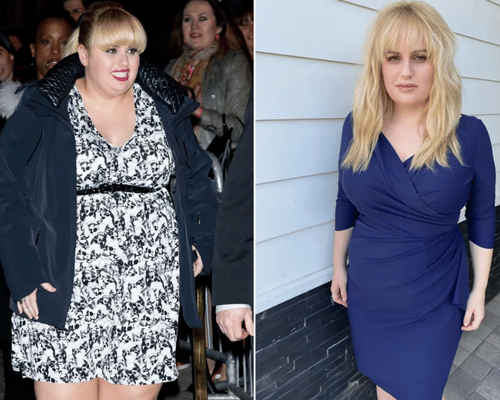
The stunning physical transformation of Australian actress and comedian Rebel Wilson has captivated international attention, not merely for the dramatic numbers on the scale but for the profound lifestyle changes and raw vulnerability she has demonstrated throughout the process. Unlike many celebrities who undergo private transformations only to reveal the "after" results, Wilson has invited the world along on her journey in real-time—sharing both struggles and successes with unusual transparency. Since publicly committing to her "Year of Health" in 2020, the actress has shed over 80 pounds, dropping from her highest weight to reach her goal weight of 165 pounds .
But beyond the impressive statistics lies a more compelling narrative about addressing core issues, building sustainable habits, and proving that profound change is possible even while living in the public eye.
This article provides the most comprehensive analysis available of Rebel Wilson's weight loss journey, examining not just the "what" but the "how" and "why" behind her success. We'll explore the specific strategies she implemented, the psychological breakthroughs that made them sustainable, and the professional insights that explain why her approach has been so effective. For anyone seeking to transform their own health, Wilson's journey offers invaluable lessons in perseverance, mindset, and the power of building systems that support lasting change rather than pursuing quick fixes. Her story represents a paradigm shift in how we conceptualize weight transformation—moving from a focus on aesthetics to holistic well-being, from self-denial to self-actualization, and from external validation to internal congruence.
Rebel Wilson's relationship with her weight has been complex and often intertwined with her professional identity. During her early career breakout role as "Fat Amy" in the Pitch Perfect franchise, Wilson revealed she faced contractual restrictions that specifically prevented her from changing her body size. She was contractually bound not to lose or gain more than ten pounds while working on the films .
This revelation highlights the often-unseen pressures in entertainment industries where actors can become typecast based on physical appearance. Wilson acknowledged feeling "pigeonholed" into playing the "fat, funny friend" even in films outside the Pitch Perfect franchise, though she expressed enjoyment in these roles while simultaneously yearning for more diverse acting opportunities .Beyond professional constraints, Wilson struggled with deep-seated emotional issues related to her self-image and eating habits. In her memoir "Rebel Rising," she shared painfully honest reflections: "I know that at 39 years old, I've trashed my body with junk food, I guess because deep down I think of myself as trash" .
She further revealed struggling with feelings of unworthiness—"Not worthy of a proper relationship. Not worthy of love. I'm not worth caring about, not by myself or by others" .These admissions reframe her journey not as a simple matter of willpower but as a fundamental restructuring of her relationship with herself—a process much closer to holistic healing than conventional dieting.
The most significant catalyst for Wilson's transformation came during a 2019 visit to a fertility doctor. Diagnosed with polycystic ovarian syndrome (PCOS), which can affect fertility, she received blunt advice from her doctor: "You would have a much better chance of having a child if you were healthier" .
Initially taken aback by what she perceived as rudeness, Wilson later acknowledged the truth in his statement. "He was right. I was carrying around a lot of excess weight," she told People magazine.This conversation triggered a profound shift in perspective, moving her motivation from appearance to something deeper.
"It's almost like I didn't think of my own needs. I thought of a future child's needs that really inspired me to get healthier," she explained .
This maternal motivation provided the emotional fuel for her journey, transforming it from a superficial endeavor to a meaningful mission. Wilson confirmed this connection to Us Weekly, stating she went on her "whole health journey to get her daughter"—and that the result was worth it . In November 2022, Wilson and her fiancée Ramona Agruma welcomed their daughter, Royce, via surrogate, fulfilling the initial inspiration behind her weight loss journey .In 2020, amid the global pandemic that provided unexpected downtime, Wilson publicly declared her "Year of Health" .
This formal commitment represented a comprehensive approach to wellness that extended beyond mere weight loss. She used the period of lockdown to reassess her eating habits and relationship with food, candidly admitting that beforehand, she was consuming as much as 3,000 calories daily, mostly from carbohydrates, often driven by emotional eating . The pandemic initially triggered emotional eating behaviors, but Wilson eventually recognized the unique opportunity presented by this forced pause in her normally busy schedule. She reframed the circumstances, viewing it as a "great opportunity" to begin making healthier choices .This intentional declaration marked the beginning of a journey that would extend far beyond the initial year. Rather than setting a superficial weight goal, Wilson focused on holistic transformation, telling People: "I am just so proud of my life and all the things that I've gone through. I'm just at a point now where I can be really open".
This mindset shift—from short-term dieting to long-term lifestyle change—would prove crucial to her sustained success, establishing a foundation that could adapt to life's inevitable challenges and fluctuations.
In an era dominated by extreme dieting and pharmaceutical solutions, Rebel Wilson notably pursued weight loss through fundamental lifestyle changes rather than magic bullets or crash courses. She specifically denied following popular diet trends like the Mayr method, despite visiting the associated luxury medical resort .
In an Instagram Story, she clarified: "This was NEVER my diet. Also have NEVER endorsed any diet pills or magic weight loss pills".This conscious choice toward sustainable weight management methods has made her journey particularly instructive for those seeking similar transformation without relying on temporary measures.
Wilson's approach instead embraced what experts would call "sustainable ecosystems" for health—creating systems and supports that function amidst real-life challenges. Her honesty about the non-linear nature of her journey further underscores this commitment to reality over quick fixes. She told People in March 2024 that she had regained 20 pounds, explaining: "You know when you feel comfortable in your relationship, and you're just like, f— it? I haven't been doing personal training. I have been eating whatever. I have been eating some junk food on set, because sets are prevalent with that. I just haven't even thought about it. So I put on 20 pounds in the last six months with that insane schedule" .
This transparency about weight fluctuation demonstrates a healthy relationship with the ongoing process of maintenance.
Table: The Four Pillars of Rebel Wilson's Weight Loss Strategy
| Element | Specific Implementation | Result/Benefit |
|---|---|---|
| Dietary Changes | High-protein meals, mindful indulgences, reduced sugar and processed foods | Improved satiety, better nutrition, reduced caloric intake without deprivation |
| Physical Activity | Walking 10,000+ steps daily, strength training, HIIT, hiking | Increased calorie expenditure, improved cardiovascular health, maintained muscle mass |
| Psychological Work | Therapy, journaling, addressing emotional eating, improving self-worth | Sustainable habit formation, addressing root causes, emotional resilience |
| Support System | Personal trainer, nutritionist, accountability to fans | Expertise, motivation, consistency during challenges |
Unlike many celebrities who transform in private, Wilson weaponized transparency as a tool for accountability throughout her journey. She regularly shared updates with her millions of social media followers, documenting both successes and challenges. This public approach created a powerful feedback loop of motivation and support. When she gained 3 kilograms (nearly 7 pounds) on vacation in July 2022, she shared this openly on Instagram, writing: "I'm at an amazing all-inclusive resort…I've lost all self control. But you know what? I can get up tomorrow and go to the gym, and hydrate and eat healthy and love myself".
This public modeling of self-compassion amid struggle provides a valuable alternative to the perfectionism that often undermines sustainable health transformations.
Her message following this vacation weight gain encapsulated her entire philosophy: "But if you're like me just know YOU are more than just your weight, your weight doesn't define you, just try your best to be healthy and don't be so hard on yourself 💗 Be the best version of you 💗".
This perspective demonstrates that her journey was never about achieving perfection but about consistent progress and self-acceptance. By sharing these human moments with her audience, she created connection and relatability, making her transformation accessible rather than aspirational.
Perhaps the most profound element of Rebel Wilson's journey has been her candid discussion of emotional eating—a behavior pattern that often derails weight loss efforts. "As an emotional eater, I'm probably never going to be cured of that," Wilson told TODAY.com. "I have to manage it" .
This acknowledgment reframes her journey not as a simple matter of willpower but as a fundamental restructuring of her relationship with food—a process requiring ongoing management rather than permanent resolution.
Wilson elaborated on the psychological work behind addressing emotional eating, telling E! News: "For me, the big thing was looking at my emotional eating and why I was doing it, and working on the mental side, which for me comes down to self-love really".
She acknowledged the ongoing nature of this work: "It definitely is a daily journey. You are never really finished with it. If I'm stressed or under so much pressure, I probably will always lean back on that emotional eating. So, you got to manage all that" .This framing echoes therapeutic approaches to behavior modification, recognizing the complexity of eating behaviors rather than reducing them to mere calorie management.
While the psychological work formed the foundation, Wilson implemented specific, strategic dietary changes guided by nutritional science. Her approach emphasized high-protein consumption while allowing for mindful indulgences. She explained her shift to People magazine: "Before I was probably eating 3,000 calories most days, and because they were normally carbs, I would still be hungry. So, I've really changed to eating a high-protein diet, which is challenging because I didn't used to eat a lot of meat. I eat fish, salmon, and chicken breast" .
This transition from carbohydrate-heavy eating to protein-focused meals helped address both physiological hunger and nutritional needs.
The science behind Wilson's high-protein approach is well-established in nutritional literature. Protein promotes greater satiety than carbohydrates or fats, helping reduce overall calorie intake naturally. Additionally, protein requires more energy for digestion (thermic effect of food) and helps preserve lean muscle mass during weight loss, maintaining metabolic rate. Wilson's implementation included various protein sources, creating diversity while ensuring nutritional adequacy.
The practical application of Wilson's nutritional strategy reflects both science and practicality, emphasizing balance over perfection:
Go-to Meal: Surprisingly simple yet effective, Wilson's favorite "go-to" meal is beef tacos. She explains: "There's not that many carbs in it. There's beef and that has a lot of iron in it … for some reason I love cooking tacos" .
. This practice of moderation rather than elimination has been crucial for the long-term sustainability of her dietary changes, preventing the feelings of deprivation that often derail nutritional transformations.
This menu structure demonstrates several evidence-based weight management principles: macronutrient balance (prioritizing protein), strategic substitution (creating healthier versions of favorite foods), and planned indulgence (incorporating psychologically satisfying foods in moderation). The customization of Wilson's diet to her personal preferences and lifestyle has been crucial to its sustainability.
Rebel Wilson's introduction to consistent exercise began with what might be the most accessible activity available: walking. This foundational element remained constant throughout her journey, proving that effective exercise doesn't require extreme measures. Her trainer shared with People that "walking was actually the best way for me to lose unnecessary body fat" based on high-tech tests conducted during her year of health .
This scientific validation of a simple activity underscores that sustainable fitness often lies in consistency rather than complexity.
Wilson continues to prioritize walking in her maintenance phase, telling Kelly Ripa on her podcast that her current health challenge involves "walking 10,000 steps every day" .
She emphasized the accessibility and effectiveness of walking during Apple Fitness+'s Time to Walk series: "Sometimes the simplest thing like getting out and walking for an hour a day is the kindest thing to your body, and your body will respond to that".This endorsement of gentle, consistent movement represents a significant departure from the "no pain, no gain" exercise mentality that often leads to burnout and injury.
While walking formed the foundation, Wilson's fitness regimen embodied the principle of strategic variety, incorporating diverse modalities that serve different physical and psychological functions. During her active weight loss phase, she engaged in substantial training, describing her typical routine in her memoir: "Exercise for about two hours—one hour with a trainer focused on strength and conditioning, and one hour doing my own cardio (which was usually walking)".
This combination addressed both muscle development and cardiovascular health, creating comprehensive fitness improvements.
Her trainer, Jono Castano, incorporated various training modalities including "HIIT, stair-sprints, battle ropes, and hiking".
This diversity not only prevented boredom but developed different physical capacities—cardiovascular endurance from HIIT, power from battle ropes, and functional strength from hiking. As her fitness improved, Wilson found enjoyment in this variety, making exercise less of a chore and more of an engaging practice.
As her life circumstances changed with the arrival of her daughter, Royce, Wilson adapted her fitness approach to remain realistic and sustainable. She integrates movement into her life as a mother, often going on walks with her daughter or incorporating exercise into their time together. "I integrate some activity into my time with my daughter, such as taking a walk around the block or stretching or doing sit-ups 'on the floor whilst watching TV because I'm so zonked out,'" she told TODAY.com.
This approach demonstrates the evolution of fitness from structured sessions to lifestyle integration—a crucial adaptation for long-term maintenance.
She manages to squeeze in strength training when possible, especially when she takes a GLP-1 medication. "My reality is I don't really have time, but I try to do (strength training) even if it's 20 minutes a day. And I do know that it's very important for your lean muscle mass," she says .
Her creativity extends to using her daughter as resistance: "I do have weights and even if it's sometimes doing squats, lifting my daughter as a weight … it's a really good way to squat".This adaptive approach demonstrates that fitness can evolve with life circumstances rather than being abandoned when ideal conditions don't exist.
The psychological work underlying Rebel Wilson's physical transformation has been as systematic and intentional as her dietary and fitness changes. She invested in therapy and journaling to confront the self-worth issues and childhood trauma that fueled her overeating .
This professional mental health support represents an important aspect of her holistic approach—recognizing that sustainable physical transformation requires addressing underlying psychological patterns.
Wilson shared during a WeightWatchers event hosted by Oprah Winfrey that "I knew that even though I'm so body positive, I knew I was engaging in unhealthy behaviors and wanted to change. You can believe in body positivity and still believe the best thing to do for yourself is to lose weight"
. This nuanced position reconciles the sometimes conflicting concepts of body acceptance and health improvement, establishing that appreciating one's body at any size doesn't preclude working to improve its health.
Perhaps the most transformative element of Wilson's journey has been her public evolution from self-criticism to self-compassion. She told TODAY.com: "I used to have a lot of negative self-talk. But now I'm a little more compassionate, and I think being a mother as well has changed me in that way".
This shift in internal dialogue represents what psychologists would call "cognitive restructuring"—changing the patterns of thinking that drive emotional and behavioral responses.
This development of self-compassion has been particularly evident in how Wilson navigates setbacks and challenges. During times when she can't eat as healthily as she would like or exercise as much, she reminds herself she can always return to her good habits when possible. "If I have a week to focus on it coming up, I'll focus on it then," she says. "For now, I'm going to try to maintain where I am and … not fall off the wagon".
This flexible approach prevents the all-or-nothing thinking that derails many weight maintenance efforts, creating sustainable systems that withstand life's inevitable disruptions.
Even after achieving significant weight loss, Wilson continues to create structures that maintain her motivation and focus. In 2025, she shared that she was embarking on a "six-week Rebel health challenge" that she created for herself .
"I just made it up. I'm not a medical expert or anything, but I just was feeling…a bit gross in myself after Easter, especially," she told Kelly Ripa.This personal challenge system demonstrates her understanding that maintenance requires ongoing attention rather than permanent resolution.
Her self-created challenge involves nutritional changes as well as prioritizing her health both physically and mentally. "In my six week challenge, I mean, up to week two I've just had no chocolate and ice cream," Wilson explained, noting these were her "biggest biases this year" .
Beyond elimination, she incorporated positive habits: "do something positive every day for my mental or physical health".This balanced approach—reducing negative behaviors while adding positive ones—creates comprehensive improvement without focusing exclusively on restriction.
In her maintenance phase, Rebel Wilson has been transparent about her occasional use of GLP-1 medications (such as Ozempic) as part of her weight management strategy. She clarified her perspective on these medications, telling TODAY.com: "I'm really using the GLP-1s as a tool. So, I know these months are going to be a bit brutal schedule-wise and with all other responsibilities, so I'm going to use them, so I don't all of a sudden gain 10 to 15 pounds in a month".
This pragmatic approach frames medication as a strategic resource during challenging periods rather than a permanent solution.
Wilson revealed to The Sunday Times that she took Ozempic to help maintain her weight loss but didn't stay on it long-term .
She acknowledged their appropriate use while expressing caution: "Someone like me could have a bottomless appetite for sweets, so I think those drugs can be good. But I don't want young people to 'obsess' over their looks and to embrace their appearance".This balanced perspective acknowledges the utility of pharmaceutical aids while maintaining that they represent just one tool in a comprehensive approach, not magic bullets.
Unlike many transformation narratives that present linear progression, Wilson has been remarkably transparent about the non-linear nature of her journey, including setbacks, challenges, and fluctuations. She publicly shared about regaining 30 pounds after reaching her lowest weight, explaining in a January 2024 Instagram post: "Working really hard has meant that, coz of all the stress, I've gained 14kg's (30 pounds)! It makes me feel bad about myself…it shouldn't…but it does".
She attributed this gain to stress and focus on work projects and her memoir, acknowledging: "It's just been a LOT and I've lost focus on my healthy lifestyle".This honesty about weight regain is both refreshing and instructive, normalizing the reality that bodies fluctuate in response to life circumstances. Wilson's response to this regain demonstrates flexible persistence—the ability to maintain commitment to goals while adapting strategies as needed, rather than rigidly adhering to approaches that aren't working. She told People in March 2024 that she plans to refocus on healthy living after her book press tour: "I think once this press tour is over for the book, I'll just go back to a bit more of a normal schedule and working out how I can be a mum and also take an hour or two in my day to be healthy".
This patient perspective acknowledges that there are seasons in life when health priorities may need temporary adjustment.
As Wilson's journey has extended from active weight loss to long-term maintenance, her motivations have similarly evolved. While fertility concerns initially sparked her transformation, motherhood has now become a sustaining motivation. She told TODAY.com: "You want to be the healthiest you can be because you want to go and play on the monkey bars … You want to play on the playground with your daughter … so you want the health".
This shift represents a movement from corrective health (addressing a problem) to optimization health (maximizing quality of life).
This evolved motivation reflects what behavioral psychologists would call "values-based action"—behavior aligned with deeply held values rather than immediate desires or external pressures. For Wilson, health is no longer about achieving a number on the scale but about fulfilling her role as an active, present mother and maintaining energy for her multifaceted career. This values alignment creates more sustainable motivation than superficial goals, as it connects daily choices to meaningful life outcomes.
Rebel Wilson's physical transformation has had significant professional implications, particularly in disrupting the typecasting that previously defined her career. She noted that her weight loss has resulted in a complete change in how Hollywood perceives her, telling Sirius XM's Ben Harlum that she was able to "untypecast" herself after slimming down .
She added that while she initially entered Hollywood hoping to take on dramatic roles, her work in comedy paid the bills and raised her public profile. Wilson quipped that she almost felt as if she was "going back to my roots as an actress" in taking on less comedic parts .This professional evolution represents an important case study in how physical appearance influences opportunity in the entertainment industry. Wilson revealed that during the Pitch Perfect era, she was contractually restricted from altering her appearance, bound to maintain her weight within a 10-pound range .
Her decision to pursue transformation despite resistance from her team demonstrates personal agency within an industry that often seeks to categorize and limit performers. The resulting expansion of her acting opportunities illustrates how physical transformation can open creative possibilities previously unavailable.
The public response to Wilson's transformation has been both overwhelming and somewhat surprising to the actress. She shared on the "Let's Talk Off Camera with Kelly Ripa" podcast: "I was kind of shocked with how much attention I got just for losing weight when I'd done so many things in my life".
Her surprise was fueled by the lack of focus on her other accomplishments, such as her education and creative endeavors: "I've got two degrees from university and done a lot of great work as an actor and producer and everything, but that—losing weight—was the thing that people seem to be really interested in".Despite this surprise, Wilson acknowledged her own complicity in the attention, recognizing that she "probably reinforced" it by posting Instagram photos more consistently .
She also demonstrated self-awareness about similar curiosity in others' transformations: "When I watched people that I really like, like Oprah, and whenever she was doing an episode about weight loss or something, I'd be so intrigued. So I kind of get the fascination with it".This balanced perspective—acknowledging both her accomplishments beyond weight loss while understanding public fascination—demonstrates maturity in navigating her changed public image.
Throughout her transformation, Rebel Wilson has navigated complex terrain in reconciling personal change with her previous identity as a body-positive figure. She has articulated a nuanced position that reconciles these potentially conflicting concepts. During a WeightWatchers event, she explained: "weight health means being the healthier version of myself".
She elaborated: "I knew that even though I'm so body positive, I knew I was engaging in unhealthy behaviors and wanted to change. You can believe in body positivity and still believe the best thing to do for yourself is to lose weight".This refined understanding of body positivity maintains the movement's foundational principles of self-acceptance and respect for all bodies while making space for individual health improvement. It represents a significant maturation of the body positivity conversation, moving beyond appearance-focused acceptance to encompass holistic well-being. By taking this position, Wilson has helped expand the conversation about health and body image, creating space for people to pursue health goals without abandoning self-acceptance.
Rebel Wilson's weight loss journey offers far more than an inspirational celebrity transformation story—it provides a comprehensive case study in sustainable health behavior change that addresses physical, psychological, and emotional dimensions simultaneously. Her success stems not from any secret formula or quick fix but from the consistent application of fundamental principles: addressing the psychological roots of eating behaviors, building supportive environments, implementing strategic nutritional changes, incorporating varied physical activity, and maintaining self-compassion throughout transformation. Perhaps most importantly, her journey demonstrates that change motivated by self-care rather than self-rejection creates a fundamentally different experience—one characterized by kindness rather than punishment, and sustainability rather than short-term intensity.
As Wilson continues her journey with new goals and evolving priorities, her transformation stands as testament to the power of vulnerability and persistence. Her decision to share both struggles and successes has created a roadmap for others facing similar challenges, demystifying a process that many attempt in isolation and secrecy. While her specific methods—the high-protein meals, the walking routine, the occasional use of medication as a tool—may not be universally applicable, the underlying principles of addressing root causes, building sustainable systems, and progressing with self-compassion hold valuable lessons for anyone seeking transformation.
In the final analysis, Rebel Wilson's journey reminds us that meaningful change is as much about psychology as physiology, about environment as exercise, about self-perception as physical appearance. Her before-and-after story is still being written, with new goals and milestones continually emerging as old ones are achieved. But perhaps the most enduring legacy of her transformation will be its demonstration that even the most public figures can navigate personal change with integrity, that body positivity can evolve to include all phases of a health journey, and that profound transformation becomes possible when we approach it not as conquest but as ongoing practice—showing up consistently for ourselves with both discipline and compassion.
This meal provides protein, vegetables, and satisfaction while being lower in carbohydrates, making it ideal for maintenance.
Snack Choices: Wilson has unconventional but strategic snack preferences. She jokes about choosing peanut M&Ms after seeing them called the "healthiest junk food" on a TV show .
These choices demonstrate her balanced approach—allowing for treats while prioritizing nutrient-dense options.
Mindful Indulgence: Perhaps the most revolutionary aspect of Wilson's nutritional approach has been her public embrace of balance and moderation rather than restrictive dieting mentality. She told the Times of India: "I can go there, I just might eat half of what I used to eat before… I'll have a burger, and a few fries, and then you feel fine"