• $

Lizzo's Weight Loss Journey: A Comprehensive Case Study in Mind-Body Transformation

Introduction: More Than a Physical Metamorphosis

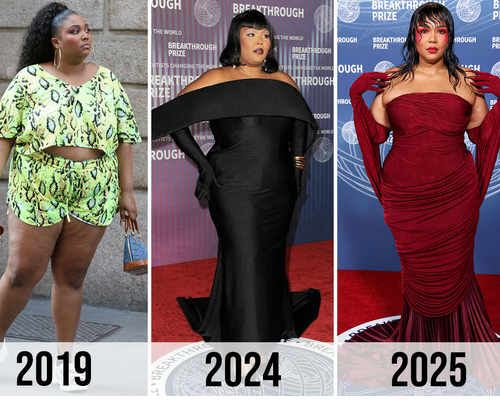
The stunning physical transformation of global superstar Lizzo (born Melissa Viviane Jefferson) has captivated international attention, not merely for the changed numbers on the scale but for the profound philosophical approach and raw vulnerability she has demonstrated throughout the process. Unlike many celebrities who undergo private transformations only to reveal the "after" results, Lizzo has pioneered what she intentionally terms "weight release"—a concept that transcends conventional weight loss narratives by incorporating emotional, psychological, and spiritual dimensions alongside physical changes. Since recommitting to her health in 2023, the singer has achieved remarkable results, reaching her "weight release goal" in January 2025 and sharing with the world that she hadn't seen that number on the scale since 2014 .

But beyond the impressive statistics lies a more compelling narrative about addressing core issues, building sustainable habits, and redefining what it means to be healthy while living in the public eye.

This article provides the most comprehensive analysis available of Lizzo's weight release journey, examining not just the "what" but the "how" and "why" behind her success. We'll explore the specific strategies she implemented, the psychological breakthroughs that made them sustainable, and the professional insights that explain why her approach has been so effective. For anyone seeking to transform their own health, Lizzo's journey offers invaluable lessons in perseverance, mindset, and the power of building systems that support lasting change rather than pursuing quick fixes. Her story represents a paradigm shift in how we conceptualize weight transformation—moving from a focus on aesthetics to holistic well-being, from self-denial to self-actualization, and from external validation to internal congruence.

Section 1: The Starting Point - Understanding the Scope of the Challenge

1.1 A Complex Relationship with Food and Body Image

Lizzo's journey with weight and body image began long before her recent transformation, creating a deeply ingrained relationship with food that would require significant work to untangle. Before achieving fame, she struggled with disordered eating patterns, including binge eating that she later revealed with unusual vulnerability. "There were times when I would eat so much that my stomach hurt. When I was done, I would be so uncomfortable, I couldn't breathe and wouldn't let anyone know. I would hide it," she confessed in an interview with Women's Health .

This admission reframes her journey not as a simple matter of willpower but as a fundamental restructuring of her relationship with substances and behaviors—a process much closer to addiction recovery than conventional dieting.

The emotional toll of her weight struggles was equally devastating, with Lizzo acknowledging the complex interplay between her physical body and mental state. "I've been working out consistently for the last five years, and it may come as a surprise for some of y'all that I'm not working out to have your ideal body type. I'm working out to have my ideal body type," she declared in a 2020 TikTok video .

"And you know what type that is? None of your f------ business." This statement established early on that her approach would be radically self-determined, rejecting external expectations and beauty standards that had previously dictated her sense of self-worth. This expression of autonomy and self-determination resonates with many who struggle with their weight, articulating the ways that obesity doesn't just impact health statistics but restricts life experiences and joy.

1.2 The Catalyst for Change: Physical Pain and Emotional Turmoil

The impetus for Lizzo's transformation came from two primary sources: debilitating physical pain and profound emotional challenges. Physically, she battled ongoing radiating back pain resulting from damaged discs due to pressure caused by her weight .

This pain had become so intense that it was affecting her ability to function and perform, creating a tangible limitation that demanded attention. Simultaneously, she faced significant professional and personal challenges, including what she describes as "a shocking, really hurtful accusation" when she was sued by three former backup dancers for alleged sexual harassment and weight shaming in 2023.

These simultaneous physical and emotional crises created what psychologists would term a "critical juncture"—a moment where existing coping mechanisms become insufficient, creating both the necessity and opportunity for profound change.

The emotional toll of these challenges cannot be overstated. Lizzo described reaching a point where she questioned her will to continue: "It got to the point where it's just like, well... You ever get tired of living?" she revealed in her Women's Health cover story .

"It got to the point where I was like, 'I could die.' I never attempted to kill myself or thought about it, but I did think, If everyone hates you and thinks you're a terrible person, then what's the point?" This moment of profound despair represents both a personal nadir and a catalyst for the comprehensive transformation that would follow. Rather than responding with drastic, unsustainable measures, Lizzo embarked on what she would later call an "intentional weight release journey"

—one that addressed the root causes of both her physical and emotional suffering.

Section 2: A Multifaceted Approach - The Components of Success

2.1 Rejecting Quick Fixes in Favor of Sustainable Change

In an era dominated by pharmaceutical solutions like Ozempic and other GLP-1 agonists, Lizzo has been notably transparent about her decision to pursue weight release through fundamental lifestyle changes rather than medical interventions. She specifically clapped back at rumors suggesting she used weight-loss medication, explaining on Instagram that her transformation resulted from "weight training and calorie deficit" .

This conscious choice toward traditional weight management methods has made her journey particularly instructive for those seeking similar transformation without pharmaceutical intervention. As she elaborated on the Just Trish podcast, "Ozempic works because you eat less food. It makes you feel full. So if you can just do that on your own and get mind over matter, it's the same".

This decision reflects both pragmatism and a desire for transformation that addresses the root causes of her weight issues rather than just the symptoms. More importantly, it demonstrates her commitment to what experts would call "intrinsic motivation"—building changes from internal drivers rather than external solutions. Her trainer, Corey Calliet, reinforced this commitment, telling Business Insider, "She never wanted to do it, not one time. Ozempic doesn't get this credit. She's really working. She's earning that body that she wants" .

This work ethic and rejection of shortcuts would become hallmarks of her approach, creating sustainable systems rather than temporary fixes.

Table: The Three Pillars of Lizzo's Weight Release Strategy

ElementSpecific ImplementationResult/Benefit
Dietary ChangesHigh-protein meals, healthy food swaps, strategic calorie deficitImproved satiety, better nutrition, sustainable weight management
Physical ActivityStrength training 5 days/week, Pilates, walking, enjoyable movementIncreased calorie expenditure, improved strength, mental health benefits
Psychological WorkAddressing binge eating, changing relationship with food, therapySustainable habit formation, addressing root causes, emotional resilience
Support SystemTrainer Marvin Telp, nutrition guidance, therapeutic supportAccountability, expertise, motivation during challenges
Recovery PracticesInfrared sauna, ashrams, qigong meditation, self-careReduced inflammation, stress management, spiritual connection

2.2 The Power of Intentional Language: "Weight Release" vs. "Weight Loss"

Perhaps the most philosophically significant aspect of Lizzo's approach has been her deliberate linguistic shift from "weight loss" to "weight release"—a terminology that carries profound psychological and spiritual implications. She explained this intentional language choice during an appearance on Jay Shetty's podcast, emphasizing that she considers her words carefully when discussing her body: "I want to be very intentional with the words that come out of my mouth," Lizzo said. "Because there's young people who are watching me and they're experiencing what I'm putting into the world and they're applying to their own experience and their own life like I did when I was a kid" .


This framing represents a radical departure from conventional weight loss narratives that emphasize struggle, deprivation, and conquest over the body. Instead, "release" suggests letting go, surrendering, and creating space—both physically and emotionally. Lizzo elaborated on this spiritual dimension during her conversation with Kelly Clarkson, explaining, "I learned the spirituality behind weight and holding weight in your body. I was holding on to so much. I was holding on to people and toxic relationships and unhealthy patterns"

. She described how only when she released the unhealthy things in her mind could the body follow suit—the mental work had to precede the physical transformation. This approach aligns with somatic psychology principles that recognize the body as a storehouse of emotional experience and trauma, suggesting that sustainable physical change requires addressing these stored patterns.

Section 3: The Dietary Transformation - Nutrition as Foundation

3.1 From Vegan to High-Protein: A Strategic Dietary Evolution

One of the most significant changes in Lizzo's approach to nutrition was her transition away from veganism toward a high-protein, whole-foods-based diet that included animal products. She had been vegan for years but discovered that her implementation was ultimately working against her health goals. "I wasn't getting the nutrients I needed," she told Women's Health, explaining that her vegan diet consisted mostly of "bread, soy, cashew cheese, and meat substitutes" that left her feeling "lightheaded and bloated" .

This admission was particularly significant given her public identity and demonstrated a willingness to evolve her approach based on what actually worked for her body rather than ideological purity.

The catalyst for this dietary shift came during a trip to Japan when a friend suggested she try a traditional Japanese diet. "After tests and research, I found that animal proteins helped me have more energy, lose weight, and helped with my mental fog," Lizzo explained in an October 2024 Instagram video .

This experience highlights the importance of cultural wisdom and traditional eating patterns that have sustained healthy populations for generations. More importantly, it demonstrates Lizzo's capacity for experimentation and adaptation—key traits for anyone seeking sustainable health transformations. Though she incorporated animal proteins, she maintained a vision for her future self, noting, "I aspire to one day be a raw, alkaline vegan. Until then, this is the diet that's helped me reach my goals and help me feel good in my body"

.

3.2 Strategic Dietary Changes and Protein Prioritization

While the psychological work formed the foundation, Lizzo implemented specific, strategic dietary changes guided by nutritional science. Her approach emphasizes high-protein consumption while recreating healthier versions of the foods she loves. The science behind this high-protein approach is well-established, as registered dietitian Kristin Kirkpatrick explained to Healthline: "Protein fills you up (satiating), and anytime we increase one macronutrient, we often decrease another. Therefore, effective weight loss could be the result of both increasing protein, as well as lowering carbohydrates – both may be effective for weight loss" .

This physiological effect is particularly valuable for someone struggling with food addiction and frequent hunger cues.

The practical application of Lizzo's nutritional strategy can be seen in her typical daily menu, which she has generously shared with her followers:

  • Breakfast: Two scrambled eggs, chicken sausage, and a cauliflower hash brown, representing a strategic substitution that reduces carbohydrates while maintaining satisfaction and flavor.

  • Lunch: A shredded Thai chicken salad or lettuce wraps stuffed with tuna or sliced chicken breast, focusing on lean protein and vegetables while minimizing empty calories.

  • Dinner: Grilled chicken with asparagus and carrots, or sometimes turkey meatloaf with cauliflower mashed potatoes and green beans. She makes sure to eat before 5 p.m. due to her GERD (gastroesophageal reflux disease), explaining, "I have GERD, so my body needs time to digest food before I go to sleep, so acid doesn't roll up to my throat" .

  • Snacks: Low-sugar Greek yogurt with honey and blueberries or blackberries, providing protein and antioxidants while satisfying sweet cravings in a nutritionally dense way.

This menu structure demonstrates several evidence-based weight management principles: macronutrient balance (prioritizing protein), strategic substitution (creating healthier versions of favorite foods), and planned indulgence (incorporating psychologically satisfying foods in moderation). As behavior change specialist Lisa Monger explains, "A good coach will combine personalized guidance with accountability and education and work with you not only on changing habits but the feelings, experiences, and beliefs that you have that drive those behaviors" .

The customization of Lizzo's diet to her personal preferences, health conditions, and lifestyle has been crucial to its sustainability.

3.3 Embracing Balance: The Anti-Diet Approach to Food

Perhaps the most revolutionary aspect of Lizzo's nutritional approach has been her public embrace of balance and moderation rather than restrictive dieting mentality. She has been vocal about occasionally indulging in foods like donuts or chicken and waffles, framing these choices not as "cheats" but as part of a sustainable approach to eating. "There's a balance," she told Women's Health. "I think that's what true health is" .

This attitude represents a significant departure from the all-or-nothing thinking that characterizes many weight loss journeys and often leads to yo-yo dieting patterns.

This balanced approach extends to her perspective on beverages as well. She dramatically reduced her consumption of high-calorie coffee drinks, revealing that she discovered she was "drinking up to 1,200 calories daily in the form of large coffee drinks" .

Rather than completely eliminating these pleasures, she made strategic substitutions, replacing multiple Frappuccinos with one cup of coffee with vanilla protein.

This practice of moderation rather than elimination has been crucial for the long-term sustainability of her dietary changes, preventing the feelings of deprivation that often derail nutritional transformations.

Section 4: The Fitness Evolution - From Exercise as Punishment to Movement as Joy

4.1 Starting with Mental Health: Reframing Fitness Purpose

Lizzo's introduction to fitness began with what might be the most important psychological shift in her entire journey: decoupling exercise from weight loss and recasting it as a tool for mental health and emotional regulation. "I work out for mental health first," she told Women's Health. "Exercise is the best mood enhancer" .

This fundamental reorientation represents what psychologists would call "reframing"—changing the conceptual and emotional viewpoint in relation to which a situation is experienced to change its meaning. By positioning fitness primarily as self-care rather than body modification, she created a sustainable motivation system that could endure beyond scale victories.

This mental health-first approach manifested in specific practical strategies. When discussing her cardio preferences, Lizzo explained, "So because my Pilates regimen is pretty intense, I don't go crazy on the treadmill. I just walk and I would actually prefer to walk outside, but you know. I like to walk because any stress, any anxiety, any tension, any anger that I've had in my body, I kind of forget about it by the time I'm done walking" .

She then encouraged her fans to put "mental health first" in their workout routine and not "stress yourself out" on exercise equipment "more than you have to".

This approach demonstrates sophisticated emotional intelligence—recognizing that sustainable fitness must serve psychological needs alongside physical ones.

4.2 The Training Structure: Strength, Pilates, and Cardiovascular Health

Lizzo's fitness regimen embodies the principle of strategic variety, incorporating diverse modalities that serve different physical and psychological functions. Her commitment to exercising five days a week

provides the consistency necessary for transformation while allowing for adequate recovery. Her trainer, Corey Calliet, revealed that her workouts include "circuits using dumbbells, kettlebells, battle ropes, cable machines, and jump-rope intervals"

—all designed to build muscle, boost metabolism, and enhance stamina while keeping the routine dynamic and engaging.

A typical week for Lizzo incorporates several distinct modalities, each serving a specific purpose:

  • Strength Training: Three days per week focusing on moves like posterior chain–focused step-ups, V-sit crunches, reverse flies, lateral lunges, and single-leg deadlifts, followed by 20 minutes of cardio on her Arc Trainer and 20 minutes in her infrared sauna.

  • Cardiovascular Exercise: Two days per week consisting of 45 minutes on one of her cardio machines, alternating between the Peloton Tread, StairMaster, and Arc Trainer to prevent boredom and overuse injuries.

  • Pilates Practice: Initially taken to "heal" her back, Pilates became a staple in her routine that she "can't stop" .

She told The New York Times, "There is never a day when I regret taking a walk or doing some Pilates" , walking outdoors , and dancing
  • , ensuring that movement remains connected to pleasure rather than punishment.

This multifaceted approach demonstrates an understanding that sustainable fitness requires addressing different physical capacities—strength, flexibility, cardiovascular endurance, and functional movement—while maintaining engagement through variety and enjoyment.

4.3 The Mindset Shift: From Punishment to Celebration

Perhaps the most transformative element of Lizzo's fitness journey has been her public rejection of what she calls "escaping fatness" as an exercise motivation. In 2023, she responded to a TikTok creator's video explaining that not everyone exercises to lose weight by sharing her own agreement with that sentiment. "Heavy on the not trying to escape fatness," she said. "I think a lot of people see a fat person that way and immediately just assume everything they're doing is to be thin. I'm not trying to be thin. I don't ever want to be thin. Will my body fluctuate from this size? Will I get a little smaller depending on some of the choices I make or a little bigger, depending on some of the choices I make in my life. Yes, I'm used to fluctuating" .

This statement represents a radical departure from conventional fitness narratives, particularly for plus-size individuals in the public eye. By decoupling exercise from the pursuit of thinness, Lizzo has created what psychologists would call "autonomous motivation"—engagement in behavior that emerges from genuine interest or personal value rather than external pressure. This type of motivation is consistently associated with greater persistence, enhanced performance, and improved well-being across domains. Her declaration that "I'm not working out to have your ideal body type. I'm working out to have my ideal body type"

established her fitness journey as an expression of self-determination rather than conformity to external standards.

Section 5: Psychological and Emotional Aspects

5.1 Addressing Mental Health: Therapy, Boundaries, and Self-Worth

The psychological work underlying Lizzo's physical transformation has been as systematic and intentional as her dietary and fitness changes. Following the challenging period of lawsuits and public scrutiny in 2023, she recognized that her mental health required the same disciplined approach she applied to her physical wellbeing. She resumed regular sessions with her therapist, telling her, "Bro, I need you once a week" .

This commitment to professional mental health support represents an important aspect of her holistic approach—recognizing that sustainable physical transformation requires addressing underlying psychological patterns.

Equally crucial was her decision to establish digital boundaries by relinquishing her social media accounts to her team and stopping reading comments .

She explained the psychological impact of her previous approach to social media: "My validation was from external sources, people telling me they loved me, or that I look good, and accepting me. It helped me build self-confidence. But if that's all I'm getting my validation from, when it changes—and it will, because people are not always going to like you—what happens? Where are you going to get your love from?".

This insight demonstrates sophisticated understanding of what psychologists call the "locus of evaluation"—shifting from external to internal sources of self-worth, a crucial development for psychological maturity and resilience.

5.2 Spiritual Dimensions: Ashrams, Meditation, and Self-Study

Beyond conventional psychological approaches, Lizzo incorporated spiritual practices that provided deeper resources for her transformation. She began hosting ashrams—spiritual retreats encompassing sound baths, yoga, massages, and acupuncture—at her home .

She took up qigong meditation and engaged in reading spiritual texts like Paramahansa Yogananda's "Autobiography of a Yogi".

These practices provided what religious scholars would call "liminal space"—opportunities to step outside ordinary routines and concerns to access different aspects of oneself and experience moments of insight and perspective.

This spiritual dimension directly connected to her concept of "weight release" rather than weight loss. She explained to Kelly Clarkson, "I learned the spirituality behind weight and holding weight in your body. I was holding on to so much. I was holding on to people and toxic relationships and unhealthy patterns" .

This framing echoes numerous spiritual traditions that understand physical conditions as manifestations of psychological or spiritual states—not in a simplistic "law of attraction" sense, but in recognition that our bodies often somatize what our minds cannot process. By addressing these underlying attachments and patterns, she created the conditions for physical release and transformation.

5.3 Navigating Setbacks: The Reality of Fluctuation and Self-Compassion

Unlike many transformation narratives that present linear progression, Lizzo has been remarkably transparent about the non-linear nature of her journey, including setbacks, challenges, and fluctuations. In a September 2024 TikTok, she shared, "I overate yesterday, and I'm feeling really bad about it," while detailing the ups and downs of her process. She then demonstrated a crucial self-compassion practice: "I'm trying to remind myself that my body needs that nourishment and if my body deserves comfort then my brain deserves comfort too" .

This public modeling of self-compassion amid struggle provides a valuable alternative to the perfectionism that often undermines sustainable health transformations.

Similarly, she shared a strategic approach to managing workout challenges, explaining in an October 2024 TikTok, "I was doing Stairmaster today, and I was doing a higher level than normal. Sometimes when you want to give up, it's really just because you've been pushing yourself too hard. Don't give up, just take it easier on yourself" .

This wisdom represents what psychologists would call "flexible persistence"—the ability to maintain commitment to goals while adapting strategies as needed, rather than rigidly adhering to approaches that aren't working. By publicly sharing these moments of adjustment and self-compassion, Lizzo has created a more humane and sustainable model of transformation.

Section 6: Body Positivity and Public Perception

6.1 Evolving Relationship with Body Positivity

As someone widely credited with trailblazing the recent wave of body positivity, Lizzo has navigated complex terrain in reconciling her personal transformation with her public advocacy for size acceptance. She has faced criticism from some quarters for appearing to abandon the movement's principles, while simultaneously being celebrated by others for taking control of her health. Her response to this tension has been nuanced and thoughtful, reflecting the evolution of her understanding of what body positivity truly means. "Body positivity has nothing to do with staying the same," she told Women's Health. "Body positivity is the radical act of daring to exist loudly and proudly in a society that told you you shouldn't exist". 

This reframing represents a significant maturation of the body positivity conversation, moving beyond what she has described as "the most recent wave [of body positivity], the 2016 era" which "was about me bucking against society telling me I shouldn't exist, I shouldn't wear leotards, and I shouldn't like how I look" .

Her evolved understanding maintains the movement's foundational principles while making space for individual change and growth. She elaborated on Andy Cohen's Sirius XM radio show, explaining that body positivity was "actually created by a sub-group of people who were not put in the media, who were not praised, who were told we shouldn't exist and we weren't good enough because our bodies were bigger or disabled or even queer and trans people. We were all a part of this...".

By contextualizing the movement this way, she preserves its radical roots while making space for her personal journey.

6.2 Changing Identity and Public Perception

Weight loss of the magnitude Lizzo has experienced inevitably triggers identity shifts and psychological adjustments, particularly for someone whose public identity has been so intertwined with her body size. She has spoken about the complex emotions that accompany her transformation, including navigating others' perceptions and expectations. Her commitment to maintaining her core identity throughout this process has been evident in her consistent messaging about her values and mission. Despite physical changes, she continues to advocate for the same principles of self-acceptance and authenticity that defined her early career.

This consistent core identity has been particularly important given her influence on young people. She acknowledged this responsibility during her conversation with Kelly Clarkson, noting, "But it's hard because I have so many people and young people who look to me and are inspired by me because I look like them, or I looked like them" .

This awareness of her impact has guided how she communicates about her journey, always emphasizing that her value isn't tied to her size while being honest about her reasons for pursuing change. In a September 2025 Instagram post, she encapsulated this mission: "Somebody told me 'thank you for giving me a safe space to celebrate my health journey wins' 🥲 all I wanna do is inspire people to enjoy their bodies no matter what".

Section 7: Results, Milestones and Future Goals

7.1 Documented Transformations and Health Improvements

Lizzo's physical transformation has been remarkable both for its visible results and the functional improvements that have accompanied them. While she has not publicly stated an exact weight loss figure, multiple sources report that she shed approximately 60 pounds, with her trainer confirming these significant results . More importantly, she shared specific health metrics with People magazine, revealing "a drop of 10.5 points in BMI and around 16% body fat loss since she began the dedicated phase of her journey".

These numbers demonstrate the comprehensive nature of her transformation, reflecting both scale victories and body composition improvements.

The functional manifestations of this transformation have been equally significant. The debilitating back pain that originally motivated her journey has dramatically improved .

She has gained energy, reduced mental fog, and found herself capable of physical activities that were previously challenging or impossible.

These functional improvements provide more meaningful motivation than scale numbers alone, offering tangible evidence of her improving health and quality of life. As she continues her journey, these non-scale victories likely provide sustaining motivation beyond aesthetic changes.

7.2 Maintaining Confidence Through Change

Throughout her physical transformation, Lizzo has maintained the unapologetic confidence that originally defined her public persona. This has been particularly evident in her fashion choices and public appearances. In May 2025, she shared a series of posts modeling swimwear from her brand Yitty, showcasing bikinis, one-pieces with cutouts, and more coverage-oriented styles with equal confidence .

Commenters praised her unwavering self-assurance, with one writing, "I love how confident you are with your appearance you make me wanna put a two-piece bathing suit on".

This consistent confidence despite physical changes demonstrates her core philosophy that self-worth is not determined by size. She posted a selfie in her underwear in February 2025 captioned "Me myself & all my Memes 🦋" .

with commenters noting: "I love that the confidence remains unchanged. Talent and beauty no matter the size. I hope you are happy in your own skin".

By maintaining her signature confidence throughout her transformation, Lizzo has demonstrated that self-acceptance and change are not mutually exclusive—one can pursue improvement without rejecting one's current self.

Section 8: Professional Analysis and Expert Perspectives

8.1 Why Lizzo's Approach Works: The Science Behind the Strategies

Nutrition and medical experts who have analyzed Lizzo's approach note that it incorporates several evidence-based strategies for sustainable weight management. Registered dietitian Kristin Kirkpatrick explained the physiological mechanisms behind her high-protein approach: "Protein fills you up (satiating), and anytime we increase one macronutrient, we often decrease another. Therefore, effective weight loss could be the result of both increasing protein, as well as lowering carbohydrates – both may be effective for weight loss" .

However, Kirkpatrick emphasized that "quality is key over quantity when deciding on a protein source", noting the importance of nutrient-dense choices.

The combination of dietary changes and diverse physical activity in Lizzo's regimen aligns with established scientific literature on successful weight management. Registered dietitian Alyssa Kwan explained the fundamental mechanism of calorie deficit: "A calorie deficit is when you burn more calories than you consume. In other words, the number of calories in must be less than the calories out. If you consume fewer calories than you expend, this may lead to gradual weight loss" .

However, Kwan emphasized that "the key to any weight loss is still a calorie deficit. High protein diets can work for weight loss for some individuals as it can also lead to a calorie deficit. However, there is not enough evidence to say that all high protein diets will result in weight loss", highlighting the importance of individualization.

8.2 The Role of Strength Training in Metabolic Health

Lizzo's emphasis on strength training over exclusively cardiovascular exercise represents a particularly sophisticated understanding of sustainable body composition changes. Her trainer, Corey Calliet, revealed that her training focuses on "high intensity circuit training"

using diverse equipment including "dumbbells, kettlebells, battle ropes, cable machines, and jump-rope intervals" .

This approach builds muscle while maintaining cardiovascular health, creating what fitness experts would call "metabolic flexibility"—the body's ability to efficiently utilize different energy sources.

Kirkpatrick explained the metabolic advantages of this approach: "Resistance training and aerobic exercise should both be considered for optimal health. However, resistance training can specifically assist in building and maintaining muscle mass. Since muscle burns more calories at rest, it's essential for both weight loss (to ensure loss of fat over muscle while losing weight) and weight loss maintenance" .

This highlights the long-term strategic thinking behind Lizzo's fitness approach—by prioritizing muscle development, she's not just creating immediate calorie burn but building a more efficient metabolism that will support weight maintenance in the future.

Conclusion: Lessons from Lizzo's Journey and Looking Forward

Lizzo's weight release journey offers far more than an inspirational celebrity transformation story—it provides a comprehensive case study in sustainable health behavior change that addresses physical, psychological, and spiritual dimensions simultaneously. Her success stems not from any secret formula or quick fix but from the consistent application of fundamental principles: addressing the psychological roots of eating behaviors, building supportive environments, implementing strategic nutritional changes, incorporating varied physical activity, and maintaining core values throughout transformation. Perhaps most importantly, her journey demonstrates that change motivated by self-care rather than self-rejection creates a fundamentally different experience—one characterized by compassion rather than punishment, and sustainability rather than short-term intensity.

As Lizzo continues her journey with new goals and evolving priorities, her transformation stands as testament to the power of vulnerability and persistence. Her decision to share both struggles and successes has created a roadmap for others facing similar challenges, demystifying a process that many attempt in isolation and secrecy. While her specific methods—the high-protein meals, the strength training, the spiritual practices—may not be universally applicable, the underlying principles of addressing root causes, building sustainable systems, and progressing with self-compassion hold valuable lessons for anyone seeking transformation.

In the final analysis, Lizzo's journey reminds us that meaningful change is as much about psychology as physiology, about environment as exercise, about self-perception as physical appearance. Her before-and-after story is still being written, with new goals and milestones continually emerging as old ones are achieved. But perhaps the most enduring legacy of her transformation will be its demonstration that even the most public figures can navigate personal change with integrity, that body positivity can evolve to include all phases of a health journey, and that profound transformation becomes possible when we approach it not as conquest but as release—letting go of what no longer serves us to make space for what does.

  • highlighting how this modality provides both physical rehabilitation and psychological benefits.

  • Recreational Movement: Regular engagement in activities she genuinely enjoys, including jump rope workouts


  • Recent Post

    Tags