

• $

Jelly Roll's Transformative Weight Loss Journey: A Comprehensive Case Study in Sustainable Health Transformation

Introduction: More Than a Physical Transformation

The stunning physical transformation of country music star Jelly Roll (born Jason DeFord) has captured international attention, not merely for the dramatic numbers on the scale but for the profound lifestyle changes and raw vulnerability he has demonstrated throughout the process. Unlike many celebrities who undergo private transformations only to reveal the "after" results, Jelly Roll has invited the world along on his journey in real-time—sharing both struggles and successes with unusual transparency. Since publicly recommitting to his health in 2022, the singer has shed nearly 200 pounds, dropping from his highest weight of 550 pounds to 357 pounds as of April 2025 .

But beyond the impressive statistics lies a more compelling narrative about addressing core issues, building sustainable habits, and proving that profound change is possible even while living in the public eye.

This article provides the most comprehensive analysis available of Jelly Roll's weight loss journey, examining not just the "what" but the "how" and "why" behind his success. We'll explore the specific strategies he implemented, the psychological breakthroughs that made them sustainable, and the professional insights that explain why his approach has been so effective. For anyone seeking to transform their own health, Jelly Roll's journey offers invaluable lessons in perseverance, mindset, and the power of building systems that support lasting change rather than pursuing quick fixes.

Section 1: The Starting Point - Understanding the Scope of the Challenge

1.1 A Lifelong Struggle with Obesity

Jelly Roll's weight struggles began in childhood, creating a deeply ingrained relationship with food that would take decades to untangle. In a candid 2018 Instagram post that would foreshadow the transparency he'd later bring to his journey, he revealed the sobering reality of reaching a point where standard medical scales couldn't measure his weight. "The doctor's scale only reached 500, so he was advised to visit a 'meat processor or truck stop' to find out his actual weight," he shared, calling it "one of the most embarrassing days of my life" .

This moment represented both a personal low and a catalyst for change, though the path would prove anything but linear.

By 2015, Jelly Roll's weight had exceeded 500 pounds, creating significant limitations on his quality of life and threatening his long-term health .

The emotional toll was equally devastating, with the artist confessing, "I've been obese since I was a small child. All I've ever known was being fat, and I'm miserable. I wanna skydive, bungee jump, ride a bull, parasail, ride roller coasters, I want to LIVE a normal life and have a normal relationship with food".

This expression of frustration and yearning for a different life resonates with many who struggle with their weight, articulating the ways that obesity doesn't just impact health statistics but restricts life experiences and joy.

1.2 Previous Attempts and the Reality of Weight Regain

Like many who struggle with significant weight issues, Jelly Roll's journey hasn't been a straightforward downward trajectory on the scale. In 2016, he successfully lost approximately 200 pounds, demonstrating that he possessed the knowledge and capability to create change .

However, in a pattern familiar to countless individuals, he regained 60 pounds by 2018, citing the challenges of life on tour—"living out of truck stops and always running late to the shows, never getting adequate sleep and all the drinking".

This public acknowledgment of regain showcased both the difficulty of maintaining weight loss and Jelly Roll's commitment to accountability.

This history of weight cycling is crucial to understanding why his current approach has yielded different results. Rather than relying on temporary measures or willpower alone, Jelly Roll has built what experts would call a "sustainable ecosystem" for health—creating systems and supports that function even amidst the chaos of touring, fame, and life's inevitable challenges. His openness about previous struggles with regain makes his current success particularly instructive for those who have experienced similar setbacks.

Section 2: A Multifaceted Approach - The Components of Success

2.1 Rejecting Quick Fixes in Favor of Sustainable Change

In an era dominated by pharmaceutical solutions like Ozempic and other GLP-1 agonists, Jelly Roll has been notably transparent about his decision to pursue weight loss through fundamental lifestyle changes rather than medical interventions. "I just was afraid of it," he explained regarding weight loss pharmaceuticals. "As a singer, few things scare me more than acid reflux. Like, you'll watch me get up out of a bed, I'll burp and wake up panicked and go take something for it. You know? Because that stuff will just rip the vocal cords" .

This decision reflects both career-conscious pragmatism and a desire for transformation that addresses the root causes of his weight issues rather than just the symptoms.

This conscious choice toward traditional weight loss methods has made his journey particularly instructive for those seeking similar transformation without pharmaceutical intervention. As Nicola Shubrook, a registered nutritionist and functional medicine practitioner, notes, "The food we eat is one of the biggest contributing factors to weight loss, but research has shown that when both diet and physical activity are combined, longer-term weight loss is achieved" .

Jelly Roll's approach embodies this combined methodology, addressing both nutritional intake and physical activity while simultaneously working on the psychological components of his relationship with food.

Table: Key Elements of Jelly Roll's Weight Loss Approach

ElementSpecific ImplementationResult/ Benefit
Dietary ChangesHigh-protein meals, healthy comfort food swaps, two meals plus one snack dailyImproved satiety, better nutrition, reduced caloric intake
Physical ActivityWalking/running 2-3 miles daily, basketball, boxing, hikingIncreased calorie expenditure, improved cardiovascular health
Psychological WorkAddressing food addiction, changing tour culture, emotional check-insSustainable habit formation, addressing root causes
Support SystemNutrition coach Ian Larios, workout buddies, family supportAccountability, expertise, motivation
Recovery PracticesSauna (20-30 minutes daily), cold plunges (6 minutes daily)Reduced inflammation, potential metabolic benefits

2.2 The Power of Public Accountability

Unlike many celebrities who transform in private, Jelly Roll has weaponized transparency as a tool for accountability. "I did this publicly for a reason," he explained on the Dumb Blonde podcast. "I want to be honest about my struggles with it with people. I wore it for so long. I think that people that become as big as I became, when they lose the weight, they're kind of ashamed. They're so ashamed that they go hide and lose the weight, and then they come back out and they don't really know how to interact with the world looking different or feeling different" .

This decision to "lose it in front of everybody"

has created a powerful feedback loop of motivation and support.

This public approach has manifested in specific, measurable goals shared with his audience. From declaring his intention to lose 100 pounds to announcing his ambition to grace the cover of Men's Health by 2026 .

Jelly Roll has consistently used public commitment as a motivational tool. This strategy aligns with psychological research on commitment devices—voluntarily making choices more binding to overcome self-control problems. By sharing his goals with millions, he created external accountability that complemented his internal motivation, transforming what could have been a private struggle into a collective journey shared with his fans.

Section 3: The Dietary Transformation - Nutrition as Foundation

3.1 Addressing Food Addiction and Changing Relationships

Perhaps the most profound element of Jelly Roll's journey has been his candid discussion of food addiction—a concept often stigmatized even within weight loss conversations. "The battle was with the food addiction, changing the way I've looked at food for the last 39 years," he told People in November 2024. "I've never had a healthy relationship with food, so that was the hard part. But once you get into that discipline and commitment, it's like an avalanche. Once that little snowball started rolling, it was on its way" .

This acknowledgment of addiction reframes his journey not as a simple matter of willpower but as a fundamental restructuring of his relationship with substances and behaviors.

On the On Purpose With Jay Shetty podcast, Jelly Roll elaborated on this struggle with unusual vulnerability: "I just have to fight the pirate on my shoulder, you know them late nights, I'm a food addict, man. I've probably never said it this honestly, but this is the podcast to be that real about it" .

This framing echoes the language of 12-step programs and addiction recovery, suggesting an approach that recognizes the psychological complexity of overeating rather than reducing it to mere calorie management. As nutritionist Nicola Shubrook explains, "Food addiction is when someone may become addicted to certain foods, usually those that are high in fat, sugar, and salt, because of the feel-good brain chemicals that are released when consumed".

3.2 Strategic Dietary Changes and Protein Prioritization

While the psychological work formed the foundation, Jelly Roll implemented specific, strategic dietary changes guided by his nutrition coach Ian Larios. His approach emphasizes high-protein consumption while recreating healthier versions of the comfort foods he loves. "I've been thinking of ways to make it sound cool, but I can't," he told Jimmy Kimmel in April 2025. "I'm eating a lot of protein, vegetables and walking. That's what I'm doing" .

This simple description belies the sophisticated culinary approach that has made his dietary changes sustainable.

The science behind Jelly Roll's high-protein approach is well-established. Shubrook notes that "research has often found that consuming a high protein diet not only helps with weight loss, but it also enhances body composition by decreasing body fat while maintaining lean body mass and muscle" .

She further explains that "high-protein diets aid weight loss by promoting greater satiety. Protein raises levels of hormones that reduce appetite, including the hunger hormone ghrelin, helping you feel fuller for longer".

This physiological effect is particularly valuable for someone struggling with food addiction and frequent hunger cues.

3.3 What Jelly Roll Eats: A Day of Meals on Tour

The practical application of Jelly Roll's nutritional strategy can be seen in his typical daily menu while on tour, which consists of two meals and one snack prepared by his nutrition coach:

  • Breakfast: A "healthy rendition" of a Waffle House hashbrown bowl featuring grated potatoes cooked in Wagyu beef tallow, with bell peppers and chicken sausage stir-fried in bone broth for added protein. The dish is finished with a scoop of sauerkraut for probiotic benefits .

"This all started because I love Waffle House," Jelly Roll acknowledged, highlighting how the approach preserves the experience of comfort food while dramatically improving its nutritional profile . After trying his first taste, Jelly Roll enthusiastically approved: "Yo, them cheese curds are fire".
  • This menu structure demonstrates several evidence-based weight loss principles: macronutrient balance (prioritizing protein), strategic substitution (creating healthier versions of favorite foods), and planned indulgence (incorporating psychologically satisfying foods in moderation). As behavior change specialist Lisa Monger explains, "A good coach will combine personalized guidance with accountability and education and work with you not only on changing habits but the feelings, experiences, and beliefs that you have that drive those behaviors".

The customization of Jelly Roll's diet to his personal preferences and lifestyle has been crucial to its sustainability.

Section 4: The Fitness Evolution - From Walking to Mountain Hiking

4.1 Starting Small: The Power of Consistent Walking

Jelly Roll's introduction to formal exercise began with what he's repeatedly described as the most fundamental movement: walking. When he began his serious commitment to fitness in early 2024, he revealed that he "couldn't walk a mile" in January .

This starting point is important context for understanding the remarkable progress he would make in just a few months. Rather than embarking on an unsustainable intense regimen, he began with achievable daily walking, gradually increasing distance and pace as his fitness improved.

The physiological benefits of walking are well-documented, but its psychological advantages are equally important. As nutritionist and behavior change specialist Lisa Monger explains, "Walking is a fantastic way of increasing your NEAT (Non-exercise activity thermogenesis). This term refers to the energy you use doing anything other than exercise, and including more of it makes it easier to lose weight and keep it off" .

Beyond the calorie-burning benefits, Monger notes that walking "release[s] endorphins, reducing stress and helping you feel more energized. Feeling less stressed and tired means you're less likely to reach for food or drinks to cope with emotions".

This creates a positive feedback loop where exercise indirectly supports better nutritional choices.

4.2 The 5K Breakthrough and Training Structure

A significant turning point in Jelly Roll's fitness journey came when he committed to running—and completing—a 5K race. In May 2024, he participated in the 2 Bears 5K in Los Angeles, an accomplishment that held profound emotional significance for him. "It was 'really emotional' because he 'couldn't walk a mile' in January when he started training for the 5K," he shared after the race. "So the fact that we got three point whatever it was done today, I feel really, really good about it. I left here feeling really motivated" .

This milestone demonstrates the power of specific, time-bound goals in driving progress.

His training regimen leading up to the 5K was notably structured and consistent. In mid-April 2024, he told People that he was "doing 2 to 3 miles a day, four to six days a week. I'm doing 20 to 30 minutes in the sauna, six minutes in a cold plunge every day. I'm eating healthy right now" .

This combination of cardovascular exercise with recovery practices represents a sophisticated understanding of fitness as a holistic practice rather than just calorie-burning exertion. After completing the 5K, he immediately set his sights on his next goal: "Next year, half marathon. We're saying it right now"

, demonstrating the power of progressive goal-setting in maintaining momentum.

4.3 Expanding Activities: Basketball, Boxing, and Hiking

As his fitness improved, Jelly Roll incorporated diverse activities that made exercise more engaging and functional. His tour culture transformed from one centered around substance use to one focused on movement: "We're either walking [around] the arena, playing basketball, boxing," his nutrition coach Ian Larios shared .

This variety not only prevents boredom but develops different physical capacities—cardovascular endurance from walking and basketball, strength and power from boxing, and functional strength from hiking.

Perhaps the most symbolic demonstration of his improved fitness came in February 2025 when he revealed, "I hiked a mountain the other day. Camelback... There is no way that would have been possible beforehand, so it's great to see that progress and we still are going" .

This accomplishment represents the literal and figurative summit of his journey thus far—the ability to engage in activities that were previously impossible, fulfilling his earlier expressed desire to "sky dive, bungee jump, ride a bull, parasail, ride roller coasters"

and truly experience life beyond the limitations his weight had imposed.

Section 5: Psychological and Emotional Aspects

5.1 Changing Identity and Self-Perception

Weight loss of the magnitude Jelly Roll has experienced inevitably triggers identity shifts and psychological adjustments. He has spoken candidly about the complex emotions that accompany his transformation, including the strange discomfort of receiving compliments on his changed appearance. "I was so insecure in my body for so many years that I found validation through women," he shared on the On Purpose With Jay Shetty podcast. "I thought if I could pull pretty women, then I wasn't fat" .

This admission reveals how his self-worth became entangled with both his physical appearance and external validation, creating a complex psychological landscape to navigate as his body changed.

The process of redefining himself amid dramatic physical change has required conscious effort. Jelly Roll has described sometimes scaring himself with bouts of self-loathing, calling the "shame spiral" the "monster in front of me all the time" .

Yet he credits his support system and basic self-care practices with helping him maintain psychological balance: "I've got a good support system around me and I will say that all that cliché stuff is real. When they're like, 'Go walk out in the sun and drink water,' you hear it and [it's like], 'It's not that easy, it's hard!' Then I started walking around in the sun and drinking water. I'm like, 'Dude, I feel so much better!'".

This acknowledgment that simple, clichéd advice can actually work when implemented represents an important psychological breakthrough.

5.2 The Role of Support Systems and Changed Environments

Jelly Roll's transformation has been facilitated by deliberately changing both his physical environment and social circles, particularly while on tour. He has been open about how his "tour culture" has evolved from one centered around substances to one focused on health: "My culture on tour used to revolve around cocaine and alcohol. But now we're all in our late 30s and 40s, so now we're like shooting old man basketball and having lattes for lunch afterward. Yeah, dude. We're living, man. It's cool" .

This fundamental shift in how he and his crew spend their time together has created an environment that supports rather than undermines his health goals.

The professional support Jelly Roll has enlisted has been equally crucial. His nutrition coach Ian Larios has provided not just meal planning but education and accountability. As Lisa Monger explains, "A good coach will combine personalized guidance with accountability and education and work with you not only on changing habits but the feelings, experiences, and beliefs that you have that drive those behaviors" .

This professional support complements the personal encouragement Jelly Roll receives from his wife Bunnie XO, who has been vocal in her admiration of his progress and the positive changes in his well-being.

Together, these personal and professional relationships create a support ecosystem that sustains his motivation through inevitable challenges.

Section 6: Results, Milestones and Future Goals

6.1 Documented Weight Loss and Physical Transformations

Jelly Roll's weight loss has been remarkable both for its magnitude and its steady progression. By November 2024, he had lost approximately 120 pounds from his starting weight .

In April 2025, he shared an updated measurement with Pat McAfee: "I started at 540 pounds and I was 357 pounds this morning" —representing a total loss of 183 pounds. By August 2025, he revealed to the Tennessee Titans football team that he'd reached the 200-pound weight loss milestone.

This steady progression demonstrates the sustainable pace of his transformation, averaging approximately 5-6 pounds per month—a rate consistent with recommendations for maintaining muscle mass and preventing metabolic adaptation.

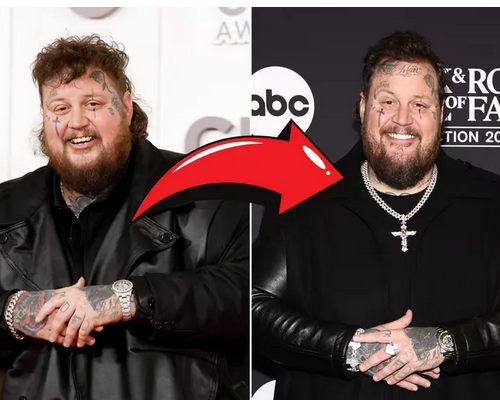
The physical manifestations of this weight loss became particularly evident at public appearances, with the 2024 Academy of Country Music Awards serving as something of a "reveal" to the broader public. Media outlets noted his "noticeably slimmer" appearance

, generating widespread attention and commentary. Beyond mere appearance, the functional improvements have been more significant to Jelly Roll himself—the ability to complete a 5K, hike a mountain, and engage in physical activities that were previously impossible .

These functional milestones provide more meaningful motivation than scale numbers alone, offering tangible evidence of his improving health and fitness.

6.2 Future Goals and Aspirations

Even with nearly 200 pounds lost, Jelly Roll continues to set increasingly ambitious goals for himself, understanding that the goalposts must keep moving to maintain motivation. He has publicly shared several specific targets:

  • Losing another 100 pounds to enable skydiving with his wife in Sweden

These goals span physical accomplishments, personal milestones, and professional achievements, creating a multi-faceted vision for his continued transformation. The public declaration of these intentions serves as both accountability and inspiration, inviting his fans to participate in the journey toward these goals. As he told Pat McAfee, "I'm gonna lose another 100 pounds and go skydiving with my wife in Sweden, baby!"

—connecting his weight loss to specific life experiences that reflect the freedom and vitality he sought when beginning his journey.

Section 7: Professional Analysis and Expert Perspectives

7.1 Why Jelly Roll's Approach Works: The Science Behind the Strategies

Nutrition and medical experts who have analyzed Jelly Roll's approach note that it incorporates several evidence-based strategies for sustainable weight loss. Registered nutritionist Nicola Shubrook observes that "it's great to see that he is approaching weight loss from all angles – physically, physiologically, and psychologically" .

This comprehensive approach addresses what experts call the multifactorial nature of obesity—recognizing that numerous biological, psychological, social, and environmental factors contribute to weight gain and must be addressed for lasting change.

Several specific elements of Jelly Roll's strategy align with established scientific literature on successful weight management:

  • High-protein diet: Research consistently shows that adequate protein intake supports satiety, preserves lean muscle mass during weight loss, and requires more energy for digestion (thermic effect of food) .

Behavior change specialist Lisa Monger emphasizes the importance of the psychological component: "Feeling less stressed and tired means you're less likely to reach for food or drinks to cope with emotions. In this sense, running or walking becomes a healthy, sustainable way to manage both weight and emotional wellness, making it easier to stick to your goals in the long run" .

This highlights how Jelly Roll's approach has created positive feedback loops—where exercise reduces stress, which reduces emotional eating, which supports weight loss, which makes exercise easier, and so on.

7.2 The Role of Recovery Practices: Sauna and Cold Plunge

Jelly Roll's incorporation of sauna (20-30 minutes daily) and cold plunges (6 minutes daily) represents an interesting dimension of his regimen that may offer both physiological and psychological benefits .

While sometimes dismissed as wellness trends, these thermal therapies have scientific rationale. As Shubrook explains, "When you expose your body to extreme temperatures such as the intense heat of a sauna, or the extreme cold of a cold-water plunge, it must work a lot harder to function. Cold plunges encourage the body to release adiponectin, a hormone that is made in adipose tissue or body fat" .

She further elaborates on the potential mechanisms: "It activates brown fat, a type of adipose tissue, that needs to burn calories to produce heat and keep the body warm and so regular use of cold-water exposure may help with weight loss over time, but more research is needed" .

A study she cites found that "repeated exposure to cold water can lower and/or transform body adipose tissue. It can also reduce insulin resistance and improve insulin sensitivity".

Beyond these potential metabolic benefits, these practices likely offer psychological advantages—building discipline, reducing inflammation, and potentially improving sleep quality, all of which indirectly support weight management.

Conclusion: Lessons from Jelly Roll's Journey and Looking Forward

Jelly Roll's weight loss journey offers far more than an inspirational celebrity transformation story—it provides a comprehensive case study in sustainable health behavior change. His success stems not from any secret formula or quick fix but from the consistent application of fundamental principles: addressing the psychological roots of eating behaviors, building supportive environments, implementing strategic nutritional changes, incorporating progressive physical activity, and maintaining public accountability. Perhaps most importantly, his journey demonstrates that previous failures don't preclude future success—that regression is often part of progression when approached with resilience and self-compassion.

As Jelly Roll continues toward his goal of losing an additional 100 pounds and gracing the cover of Men's Health, his journey stands as testament to the power of vulnerability and persistence. His decision to "lose it in front of everybody"

has created a roadmap for others facing similar struggles, demystifying a process that many attempt in isolation and secrecy. While his specific methods—the high-protein poutine, the daily walks, the cold plunges—may not be universally applicable, the underlying principles of addressing root causes, building sustainable systems, and progressing gradually rather than drastically hold valuable lessons for anyone seeking transformation.

In the final analysis, Jelly Roll's journey reminds us that meaningful change is as much about psychology as physiology, about environment as exercise, about consistency as intensity. His before-and-after story is still being written, with new goals and milestones continually emerging as old ones are achieved. But perhaps the most enduring legacy of his transformation will be its demonstration that even the most daunting mountains—whether literal like Camelback or metaphorical like food addiction—can be climbed one step at a time, with support, strategy, and the courage to be honest about both struggles and successes along the way.

  • Snack: A sweet treat that "he really looks forward to"—peanut butter cookie dough bites with sliced banana .

  • This strategically timed snack provides a psychological boost while incorporating fruit and protein, preventing feelings of deprivation that often derail dietary changes.

  • Dinner: "Protein poutine"—a creative take on the Canadian dish that replaces traditional ingredients with healthier alternatives. Larios's version uses homemade fries, dairy-free cashew cheese curds, pressure-cooked chicken thighs, and gravy made with bone broth, peppers, chicken sausage, and rice flour

  • Completing a half-marathon after his 5K success

  • Gracing the cover of Men's Health magazine by 2026

  • Continuing to transform his body through weight training .

  • Combined diet and exercise approach: Studies indicate that the combination of dietary changes and physical activity produces better long-term results than either approach alone .

  • Gradual progression: His evolution from walking to running to more intense activities follows the principle of progressive overload—gradually increasing demands on the body to drive adaptation without injury or burnout.

  • Professional guidance: Evidence suggests that individuals who receive professional support—whether from nutritionists, trainers, or coaches—typically achieve better outcomes than those who attempt transformation alone .


  • Recent Post

    Tags